
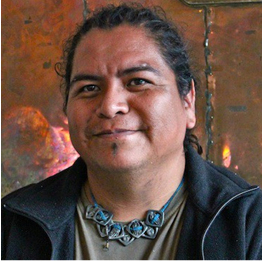
Mario Etsitty
A Navajo chef, artist, educator and activist. He is from Many Farms and has volunteered with Food Not Bombs and other community groups for many years in Phoenix. His catering is familiar to all who have attended Local to Global Justice over the years.
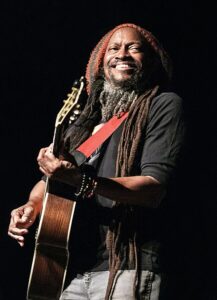
Walt Richardson
Walt Richardson is an American singer-songwriter and guitarist born in Fort Walton Beach, Florida. He is a celebrated music veteran in the Tempe, Arizona area where his humanitarian contributions to the music community and music in schools (with an emphasis on cultural diversity) have been recognized with numerous awards.
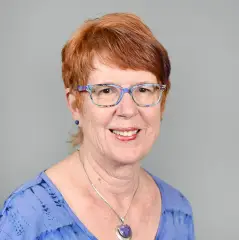
Beth Swaderner
Beth Blue Swadener is a Professor Emerita in the School of Social Transformation at Arizona State University. Her research focuses on internationally comparative social policy, with a focus on sub-Saharan Africa, impacts of neoliberal policy on local communities, and children's rights and voices. She is a co-founder of Local to Global Justice, The Jirani Project and Friends of the Girl Child Network in Kenya, and the international organization, Reconceptualizing Early Childhood Education and loves to feed and support young activists!
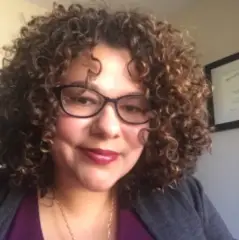
Sujey Vega
Sujey Vega is the director of the Community Collaborative Initiatives program, an Associate Professor of Women and Gender Studies and affiliate faculty member in the School of Transborder Studies and Religious Studies at Arizona State University. Her research explores the every day lived experiences of Latina/os in the U.S. By looking to moments of belonging, she traces the way Latina/os make their own notion of home in the U.S. Using ethnography, oral history and archival analysis, Professor Vega's research includes race/ethnic studies, social networks, gendered experiences and ethno-religious practices.
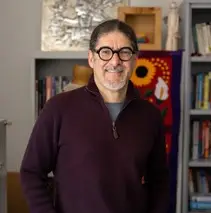
Luis A. Fernandez
Dr. Luis A. Fernandez is a professor in the Department of Criminology and Criminal Justice at Northern Arizona University. He served as the President of the Society for the Study of Social Problems in 2017-2018 and is currently the co-editor of Critical Issues in Crime and Society, Rutgers University Press. Luis was a co-founder of Local to Global Justice in 2001 and is a longtime activist.
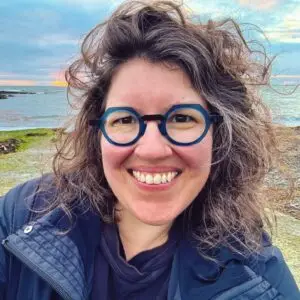
Melissa Dickman
Melissa Dickman, Student Experience Manager at The Sidney Poitier New American Film School, has spent over fifteen years building supportive systems for design and arts students while being involved in her community through the intersections of gardening, art and whimsy.

Matt Besenfelder
Matt Besenfelder was a '08 ASU Nonprofit Leadership and Management graduate who participated in planning the Teach-In from 2006 - 2008.

Aaron Golub
Dr. Golub is a professor in the Toulan School of Urban Studies and Planning at Portland State University (PSU). He has twenty-five years of experience working in the advocacy and academic arenas on issues of transportation equity and justice. His research focuses on who wins and loses from transportation plans and investments, how we measure those disparities, and how academic research can assist communities to advocate for more equitable transportation systems. Aaron was co-faculty adviser of Local to Global Justice before moving to Portland.
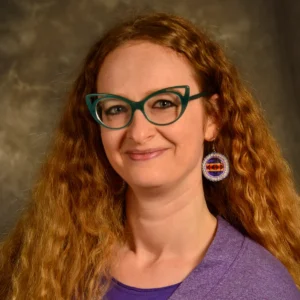
Flora Farago
Dr. Farago is Associate Professor of Human Development and Family Studies at Stephen F. Austin University with a background in developmental psychology and early childhood education. Her teaching and research interests center around gender and ethnic-racial socialization of children in schools and at home; gender identity, anti-racist education and interventions at schools and at home. Interested in links between research and community activism, she collaborates with colleagues and organizations nationally and internationally, including the Indigo Cultural Center, EmbraceRace, Local to Global Justice, the Jirani Project, and the Girl Child Network.
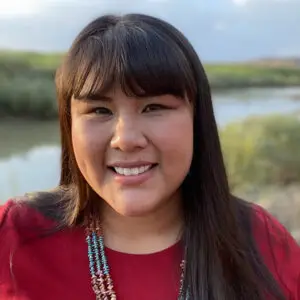
Daphne Littlebear
Daphne Littlebear is from the Tamaya (enrolled in Santa Ana Pueblo), Yuchi, Mvskoke, and Shawnee Nations. She received her PhD in Justice Studies at Arizona State University's School of Social Transformation. Her dissertation is titled, Intergenerational Intersections of Teaching and Learning in Santa Ana Pueblo. Daphne is an interdisciplinary Pueblo scholar with research interests in Indigenous education and policy, Indigenous evaluation, Indigenous community building, data sovereignty, and Tribal governance.
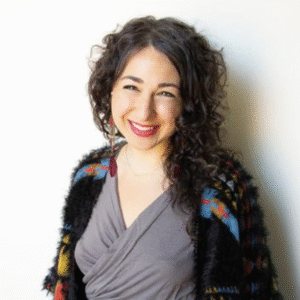
Jessica Tartaro
Dr. Jessica Tartaro has spent her career in mental health integrating the realms of trauma recovery, embodiment and social change in her therapy, coaching and teaching, including co-founding Home Safe Violence Prevention Center at ASU while in graduate school, teaching and leading at Dance Camp Northwest since 2018, weaving racial consciousness into Authentic Relating during the pandemic as well as fundraising for the healing of families in the Middle East in 2025. She is a former L2G student leader.
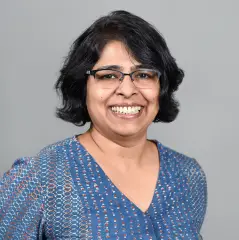
Indulata Prasad
The session is facilitated by Indulata Prasad, Ph.D., faculty in Women and Gender Studies, School of Social Transformation at ASU. Dr. Prasad is a member of the 2026 LTGJ Planning Committee and is active in equity work locally and in India.

Amy Shinabarger
An ASU alum for all three of her degrees, amy dawn shinabarger is a Freirian committed to changing the world and empowering students through teaching as social practice. She teaches both international students and more local ones, primarily composition but also linguistics. After completing her PhD at ASU, shinabarger taught as an assistant professor at University of Puerto Rico, Rio Piedras and California State University, Northridge before following her heart home. Her research interests are Second Language Writing, Basic Writing, Writing Program Administration, Discourse Analysis, Sociolinguistics, and Popular Cultures (particularly with a foci on music and body modification). The common ground is a fascination with studying how language and power intersect and interact.
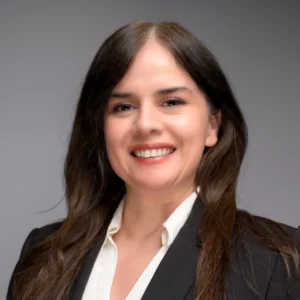
Yolanda Bejarano
Yolanda Bejarano is a lifelong Arizonan and the proud daughter of Mexican immigrants. Raised in the small farming town of Roll near Yuma, she attended public schools. Her father was a farmworker, and her mother was a homemaker. Before entering politics, Yolanda served as a union steward at a call center for the Communications Workers of America (CWA) for 18 years, later becoming CWA’s National Field Director. She now serves as the Chairwoman of the Arizona Democratic Party (ADP), where she has elevated the Party to new heights.
Clark Miller
Clark A. Miller is a theorist and designer of techno-human futures. His work aims to improve people's ability to design and operate technological systems and navigate technological change in ways that cultivate human thriving and justice, not least by understanding how techno-humans imagine, know, and construct their technological instruments and environments and, in the process, their techno-human selves and the technological Earth.

Constance Capiotis
Constance Capiotis explores how technology shapes opportunity and justice. Her work examines how current relationships between people and technology often reinforce inequality, and how alternative approaches that center learning and human experience can strengthen agency, collective capacity, and community well-being. Drawing on experience across education, nonprofits, and community partnerships, she asks how technology might be designed, used, and stewarded in ways that expand human agency and support more just social and economic futures.
Noah Garcia
Noah Garcia is a leadership workshop facilitator for ASU's Public Allies program and on the board of Youth Rising in Phoenix. He has served on the planning team for the 25th annual LTGJ event and is a student in Justice Studies.

Ryan Zmierski
Since completing his degree in music from Northern Arizona University, Ryan Zmierski focuses his study on late romantic Spanish classical guitar music. Please take a trip to the past and listen to the preludes, dances, and sonatas of the early 20th century. A time where civil and political unrest in Spain led to the development of a stunning culture of composers and musicians, working together to hold on to their traditional Spanish sound.
Ella Halanski
Ella Halanski has a background in Political Science, Philosophy, and American Indian Studies, and is currently pursuing graduate degrees. She works as an art teacher, volunteer researcher for the Tribal Court of Appeals Project, and an intersectional activist; They have their roots in gender theory, feminism, disability studies, conservation, religious studies, and policy.
Chelsea Bailey
Chelsea Bailey is an activist and scholar committed to collective liberation through practices of freedom, justice and joyful collaboration.
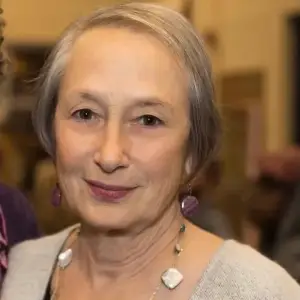
Mimi Bloch
Marianne (Mimi) Bloch is Professor Emerita t of Curriculum and Instruction and Gender and Women’s Studies at the University of Wisconsin-Madison. She is Editor Emerita of the International Critical Childhood Policy Studies Journal which she cofounded, and coeditor of the Bloch and Swadener Palgrave book series titled “Critical Cultural Studies of Childhood.” Her scholarship focuses on national and transnational policies related to child care and early education, critical educational policies, postfoundational and post-qualitative studies of childhoods. She is active with the Raging Grannies in Madison and has long been an advocate for social justice.
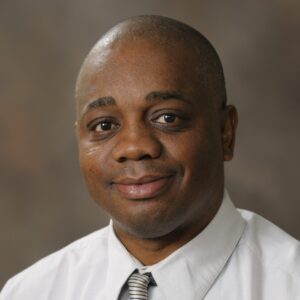
Bekisizwe Ndimande
Dr. Ndimande grew up under Apartheid in South Africa and is Professor of Curriculum and Instruction and Faculty Associate in the Department of Race, Ethnicity, Gender, and Sexuality Studies. Dr. Ndimande’s research focuses on curriculum studies, education policy, multicultural education, and international comparative studies. Dr. Ndimande is the editor of the Critical Studies in Education journal and an advocate for equity in education and impacts of ideology on education policy.
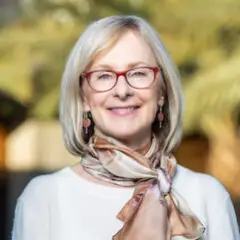
Joni Adamson
Joni Adamson is President's Professor of Environmental Humanities in the Department of English and Distinguished Global Futures Scholar at the Julie Ann Wrigley Global Futures Laboratory (GFL). She is Founding Director of the Flagship Hub of UNESCO BRIDGES Sustainability Science Coalition, the first humanities-led science platform in the world, and Director of Humanities for the Environment North America (HFE), based in the Global Institute for Sustainability and Innovation.

She’s the First & Alekain
Alekain is a nonprofit led by educators, diplomats, and professionals with longstanding connections to Afghanistan. We deliver secure, accredited online education that allows Afghan girls to keep learning, growing, and shaping their own futures.
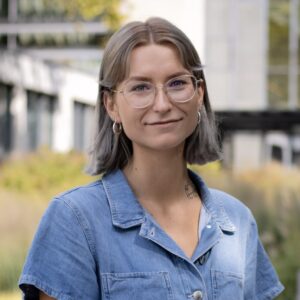
Julia Wurm
Research Assistant and Graduate Student at the School of Transborder Studies
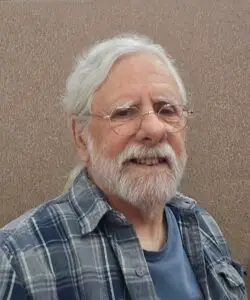
Richard Starling
Richard has been helping people create nonprofit organizations and cooperatives for over 47 years. During that time span, he has always worked on a pay-as-you-can basis, helping people regardless of their ability to pay. He is also the executive director of the Arizona Community Land Trust and the Chairperson of the Arizona Cooperative Initiative. Recently, he created another nonprofit to explore innovative ideas to help society prosper.

Sang Hea Kil
Sang Hea was a co-founder of Local to Global Justice in 2001 and is the first tenured Full Professor fired for Anti-Genocide and Pro-Palestine speech (7/25) at the Justice Studies Department at San José State University.
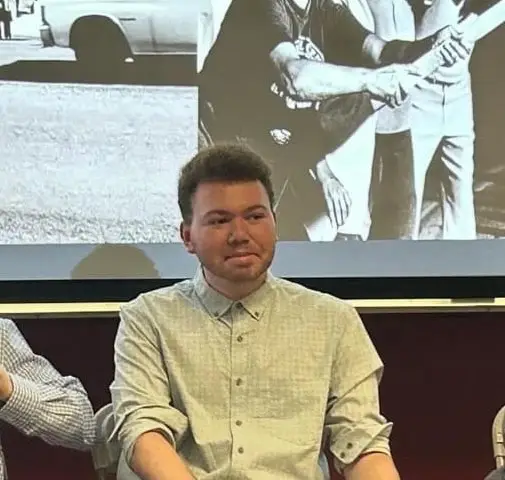
Ian Sherwood
Ian Sherwood (he/him) is a current Justice Studies Masters Student and research assistant at the Center for Work and Democracy at ASU. His research focuses on rebuilding the U.S. labor movement and highlighting how the struggle for economic justice is intrinsically with a multitude of other social justice causes.

Sirada Kananurak
Sirada Kananurak (she/they) is a Fulbright scholar from Thailand under the 2024 Fulbright Thai Graduate Scholarship Program. She is currently pursuing her master’s degree in Women’s and Gender Studies at Arizona State University. Prior to her studies in the United States, she earned her bachelor’s degree in Language and Culture from Chulalongkorn University in 2023 and worked as a part-time educator for English and basic cultural studies knowledge for high school students. Sirada’s research interest lies in queer studies in the context of Thailand. She is currently conducting research and creating a mini-documentary on the intergenerational sapphic community in Thailand.
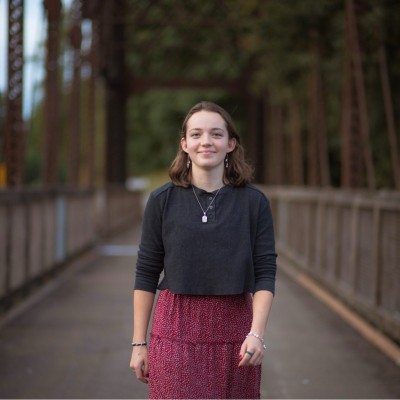
Kendyl Neef
Kendyl is a second year undergraduate studying Biochemistry, interested in blending social justice work and scientific research by closing the gender data gap in healthcare and medical research. She is active on the current Local to Global Justice planning team and has volunteered with the group for two years.
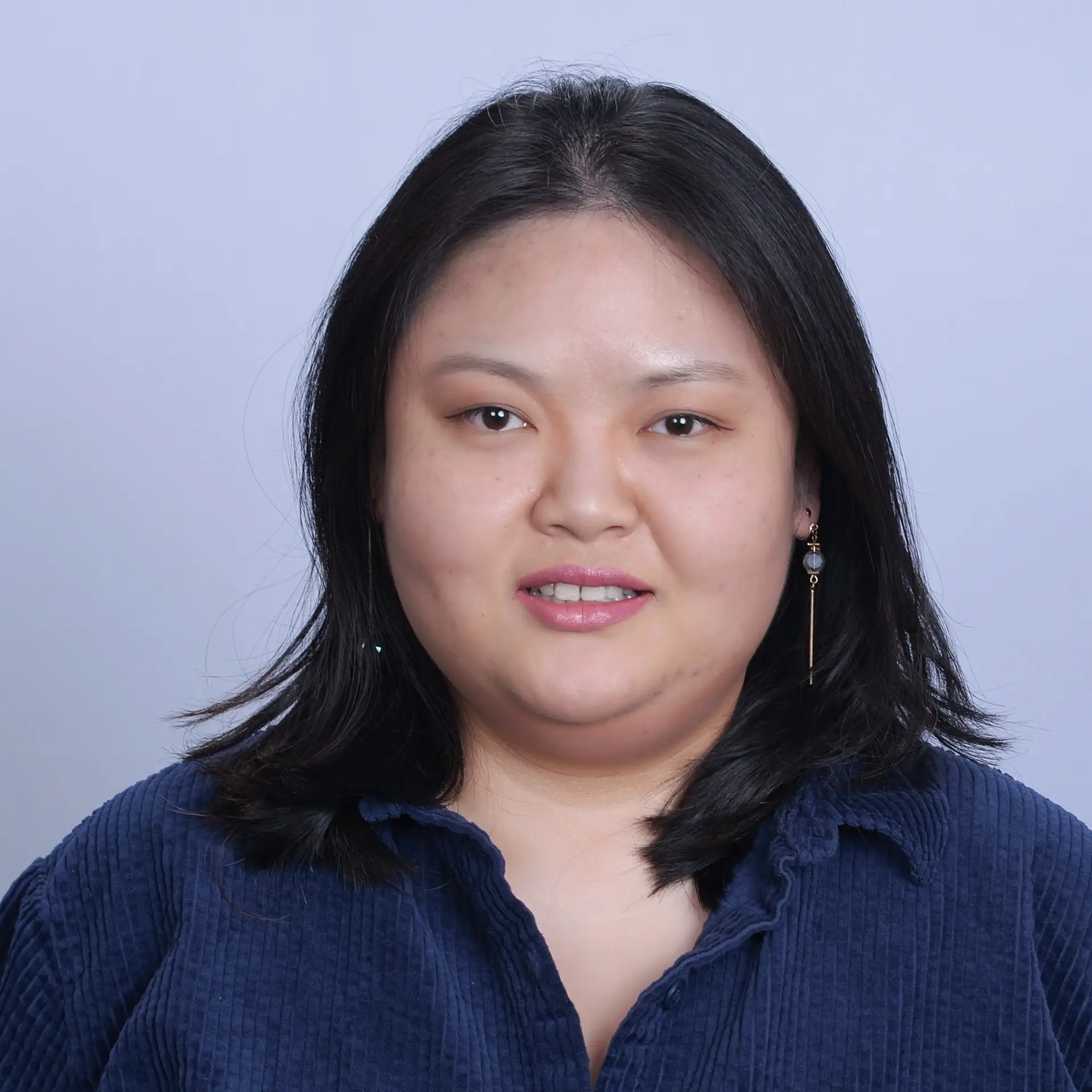
Hexiang (Alex) Dong
Hexiang (they/them) is a third-year PhD in gender studies, doing research on crip of color critique and critical university studies, and chairs the funding committee on the current Local to Global Justice planning team.
Christine Leavitt
Christine Leavitt is a PhD candidate in Gender Studies at ASU, an attorney and mother of 6. She was a leader and planning team member of Local to Global Justice from 2019-2025.

Jen Richter
Dr. Jennifer Richter is an associate professor in the School for the Future of Innovation in Society and School of Social Transformation at Arizona State University. Her research interests are at the intersections of science, environment, and society, and she teaches courses on environmental justice, science and society, and energy policy. She is especially interested in how policies that govern innovations and research are created and then taken up by local populations, specifically in the American West. Professor Richter focuses on energy justice, specifically in relation to the cultural, political, and environmental issues that come with larger energy transitions. Jen has been the faculty co-adviser to Local to Global Justice for the past 12 years.
Mara Sapon-Shevin
Mara Sapon-Shevin, Professor Emerita of Inclusive Education at Syracuse University is a longtime social justice activist who leads singing and chanting at protests and makes love quilts for friends.